How does skin cancer affect daily life? Work, Life & Treatment
Skin cancer is a prevalent and serious health concern that affects millions of people worldwide, including Australians.
Skin cancers can have significant effects on a person’s daily life, including affecting their work, personal life, and treatment journey. It can affect people physically through the required medical treatment and recovery; and can also affect them mentally and emotionally depending on the seriousness of the underlying skin cancer..
As per the date of Cancer Australia, 17,443 new cases of melanoma of the skin were diagnosed in 2025. An estimated number of deaths from melanoma of the skin in 2025 were 1455.
Melanoma of the skin is the third most commonly diagnosed cancer in 2025. In 2025, it is estimated that a person has a 1 in 19 (or 5.4%) risk of being diagnosed with melanoma of the skin by the age of 85 (1 in 16 or 6.4% for males and 1 in 23 or 4.4% for females).
Skin cancer kills more Australians each year than transport accidents. At least 2 in 3 Australians will be diagnosed with skin cancer in their lifetime, and the risk is higher in men than in women.
Here at Elixir @ Hunter, we not only provide high-quality skin cancer treatment in Maitland & Newcastle but also provide the necessary education to help patients be more informed.
How Skin Cancer Affects the Body?
Skin cancer often first appears as a new or changing spot on the skin. This may include a mole that changes in size, shape, or colour, a sore that does not heal within the expected time, or a persistent scaly patch that keeps returning. These changes do not necessarily mean you have skin cancer, but they are your body’s way of signalling that the area should be professionally assessed.
Most spots stay confined to the outer layers of skin. They might itch, bleed lightly, or feel tender, but day-to-day energy and general health are rarely affected before treatment starts. That’s different from a lot of other cancers, where the body shows signs of strain well before anyone gets a diagnosis.
Skin cancer rarely causes pain in its early stages, which is exactly why regular self-checks matter more than waiting for symptoms to show up.
The Side Effects of Skin Cancer Treatment
Most skin cancers are treated with a minor surgical procedure performed under local anaesthetic. The skin cancer is removed along with a small margin of healthy surrounding skin to help ensure the cancer has been completely excised and to reduce the risk of it returning. The most common side effects of this treatment are swelling, redness, and mild discomfort, and they usually settle within a few days. Most patients return to regular activity within one to two weeks.
A scar is an expected part of any surgical procedure, but in most cases it continues to improve for many months after surgery. While scars are often more noticeable in the early stages of healing, they typically soften, fade, and become less visible over time.
Many people worry that facial scars will be more obvious than scars elsewhere on the body. In reality, the face is one of the best areas for wound healing because it has an excellent blood supply and generally experiences less tension on the skin. The neck also tends to heal very well. By comparison, scars on the arms, legs, and trunk often take longer to mature and may become wider or thicker over time due to the constant movement and tension placed on these areas during everyday activities.
Careful surgical planning also plays a significant role in the final cosmetic outcome. Whenever possible, incisions are designed to follow the skin’s natural tension lines, creases, or cosmetic unit borders, helping the scar blend more naturally with the surrounding skin. Although the scar may appear pink or more prominent in the first few weeks or months, appropriate wound care and scar management allow it to gradually soften and become less noticeable.
For most patients, the long-term appearance of the scar is considerably better than they initially expect, particularly when the surgery is carefully planned and performed, and the wound is managed appropriately throughout the healing process.
Skin Cancer and Daily Life
Life after a skin cancer diagnosis settles into a rhythm built around regular skin checks, usually every three to twelve months depending on risk. It becomes routine fast, more like a dental check-up than a medical event.
Sun habits shift too: covering up, reapplying sunscreen, and keeping an eye on new spots become second nature rather than a chore. For anyone working outdoors- tradies, landscapers, farmers: this might mean a hat and longer sleeves on site, not a change to the job itself.
Skin Cancer and Work Life
Dealing with skin cancer while maintaining a career can be challenging. Depending on the type and stage of skin cancer, individuals may require treatment that could result in downtime, doctor’s appointments, and fatigue. For some, this may mean taking time off work or adjusting work schedules to accommodate treatment and recovery.
Support from employers and colleagues is crucial during this time, as it can significantly impact a person’s emotional well-being.
Skin Cancer and Personal Life
A diagnosis of skin cancer can affect more than just physical health. It may also have an emotional impact, with many people experiencing feelings of anxiety, stress, uncertainty, or concern about the future. These reactions are normal, and support from family, friends, or healthcare professionals can be invaluable during this time. Maintaining overall wellbeing through regular exercise, mindfulness, social connections, and enjoyable activities may also help.
For further information about emotional support and available resources, please refer to the attached Melanoma Support Booklet.
Treatment journey
The treatment journey for skin cancer varies depending on the type and stage of the disease. Treatments may include surgery, radiation therapy, chemotherapy, immunotherapy, or targeted therapy. While medical advancements have made treatments more effective, they can still cause side effects, such as fatigue, pain, or skin irritation. Understanding and preparing for potential side effects can make the treatment process more manageable.
Sun safety and prevention
Preventing skin cancer is a critical aspect of daily life for Australians. Sun safety practices, such as wearing protective clothing, using sunscreen, seeking shade, and avoiding peak sun hours, are essential to reduce the risk of developing skin cancer. Incorporating these habits into daily routines is crucial, especially in Australia, where UV radiation levels are high.
Seeking professional help
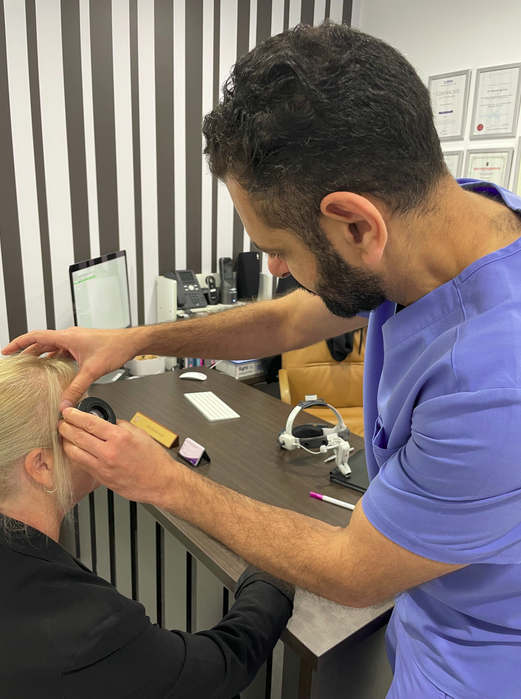
Regular skin checks and early detection play a vital role in managing skin cancer.
Book your consultation with one of our doctors at Elixir @ Hunter. Whether you looking for skin cancer treatment in Newcastle or anywhere surrounding Maitland, just call us to book an appointment.
Our coverage locations: Locations: Skin Check Singleton | Skin Cancer Check Rutherford | Skin Cancer Treatent Branxton | Skin Check Cessnock | Aberglasslyn | Lochinvar