Vitiligo
What is Vitiligo?
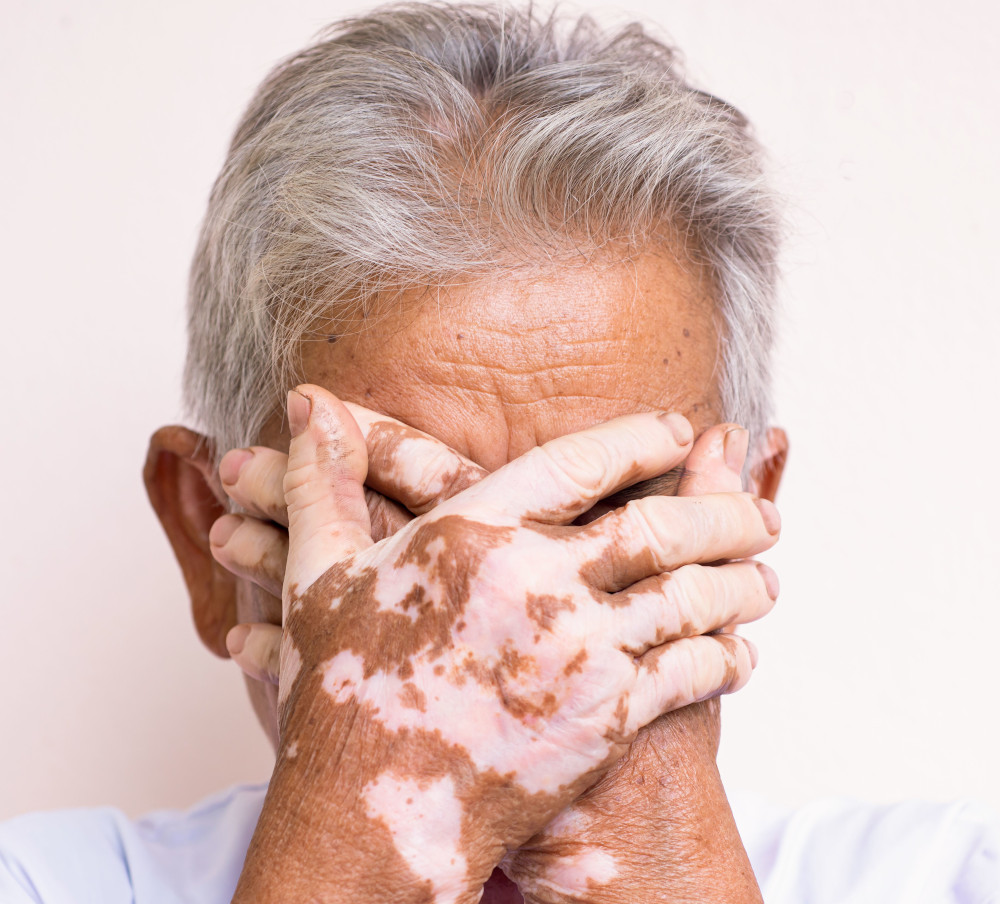
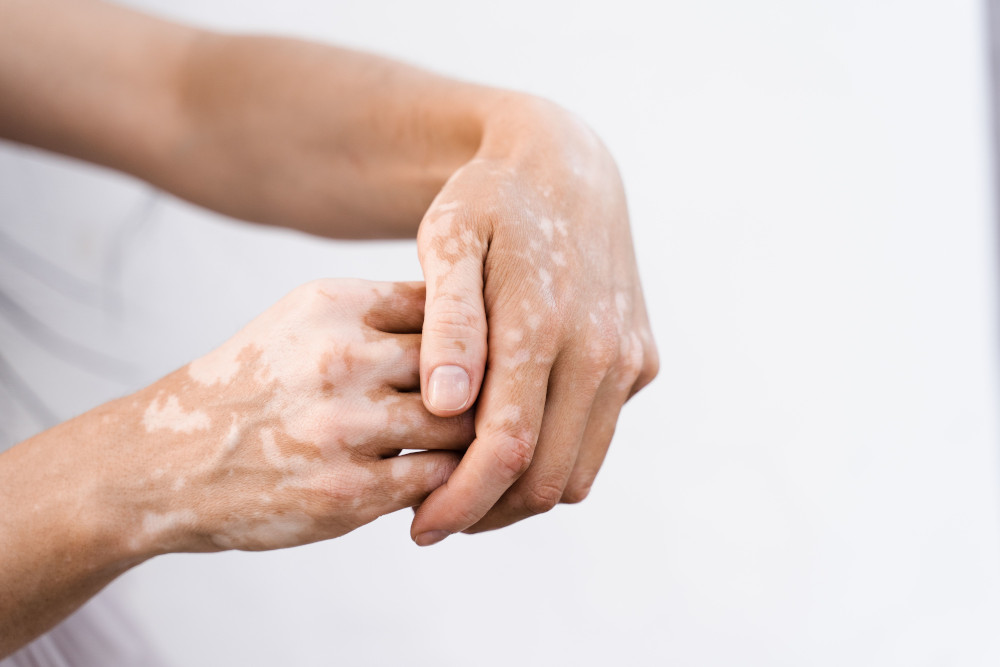
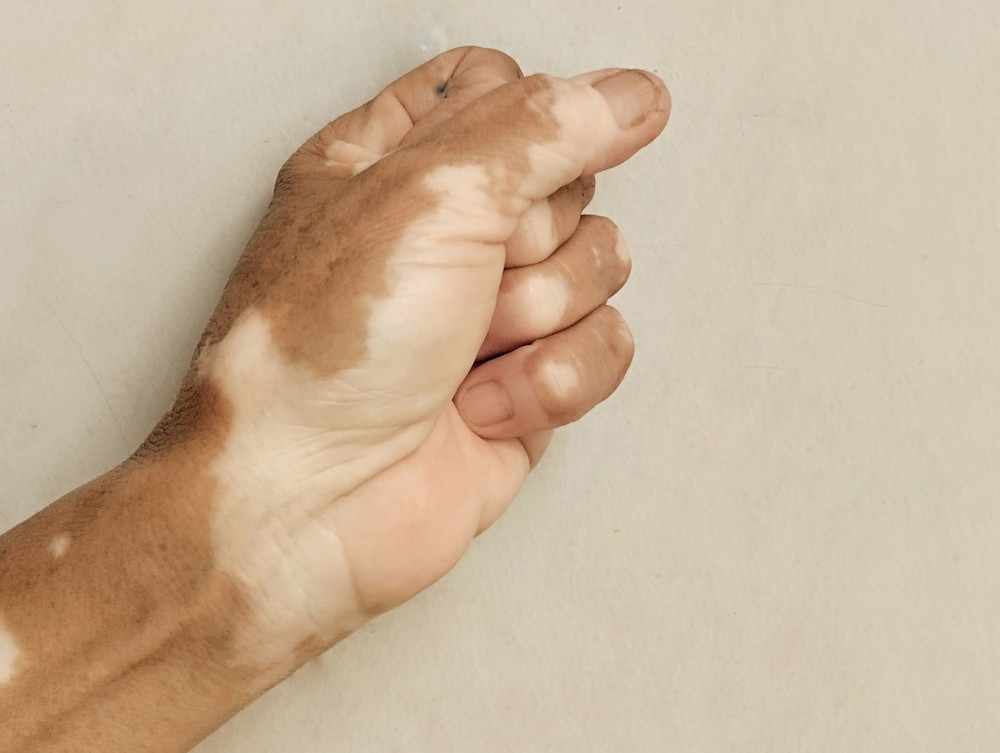
Vitiligo is a chronic autoimmune skin condition characterised by loss of pigmentation due to the progressive reduction or absence of melanocytes (pigment-producing cells). It presents as well-defined white patches (leukoderma) that may appear anywhere on the body.
Vitiligo is not contagious, but its visible nature can have a significant cosmetic, emotional, and social impact, particularly in individuals with darker skin tones, where contrast is more pronounced. While there is currently no cure, appropriate medical care can help stabilise the condition, support repigmentation, and improve quality of life.
Understanding Vitiligo
Vitiligo affects approximately 0.5–2% of the global population and commonly develops before the age of 30, with peaks in childhood and early adulthood. The condition is thought to result from a combination of genetic predisposition and autoimmune activity, where the immune system mistakenly targets melanocytes.
Vitiligo may be associated with other autoimmune conditions, including thyroid disease, diabetes, lupus, and rheumatoid arthritis. For this reason, comprehensive medical assessment is an important part of care.
How Vitiligo Appears
Vitiligo typically presents as:
- Milky-white or depigmented patches of skin
- Symmetrical or well-defined borders
- Lesions that may be stable or slowly progressive
Commonly affected areas include the face, hands, body folds, areas exposed to friction or injury, and around body openings such as the lips and nostrils. The condition often follows an unpredictable course, with periods of progression and stability.
Who Is at Risk?
Vitiligo can affect anyone. Factors that may increase risk include:
- A family history of vitiligo or autoimmune disease
- Existing autoimmune conditions
- Physical skin trauma, emotional stress, pregnancy, or illness
Triggers vary between individuals, and flare-ups may occur without an obvious cause.
Treatment & Management
Although vitiligo cannot currently be cured, treatment aims to stabilise disease activity, encourage repigmentation where possible, and support long-term skin health. Management is tailored to the individual based on extent, activity, age, and response to previous treatment.
Phototherapy for Vitiligo
Phototherapy is a cornerstone treatment for vitiligo, particularly for widespread or active disease.
Narrowband UVB (NB-UVB) phototherapy is the most widely used and evidence-supported light-based treatment for vitiligo. It works by delivering carefully controlled ultraviolet light to affected skin under medical supervision.
Phototherapy may help:
- Stimulate melanocyte activity
- Encourage repigmentation
- Stabilise disease progression
- Improve colour blending over time
Treatment is delivered in a clinical setting using medical-grade equipment. Sessions are brief and scheduled over a structured course to maximise benefit while prioritising safety.
For smaller, localised areas, excimer laser therapy may be considered as a targeted alternative.
Additional Treatment Options
Depending on disease activity and distribution, treatment may also include:
-
Topical therapies: corticosteroids or calcineurin inhibitors for selected areas
-
Systemic therapy: short-term or specialist medications for rapidly progressive disease
-
Supportive measures: sun protection, skin care, and cosmetic camouflage
Your clinician will discuss appropriate options during consultation.

Frequently Asked Questions
Is vitiligo contagious?
No. Vitiligo cannot be transmitted between people.
Can vitiligo be cured?
There is currently no cure. Treatment focuses on stabilising the condition, supporting repigmentation, and improving quality of life.
Who is suitable for phototherapy?
Phototherapy may be recommended for individuals with widespread, progressive, or treatment-resistant vitiligo. Suitability is assessed during consultation.
Is phototherapy safe?
When performed under medical supervision, NB-UVB phototherapy is generally well tolerated. Potential risks and expected outcomes are discussed prior to treatment.
How long does phototherapy take to show results?
Repigmentation is gradual. Many patients begin to notice changes after several weeks to months of consistent treatment. Individual responses vary.
Living With Vitiligo
Vitiligo can have a meaningful psychological and emotional impact. Long-term care focuses not only on skin treatment but also on education, reassurance, and support. With appropriate management, many patients achieve improved skin appearance and greater confidence over time.
Our Approach to Vitiligo Care
At our clinic, we provide comprehensive vitiligo management, including:
- Accurate diagnosis and disease assessment
- Education on vitiligo and treatment options
- Access to topical therapies and medically supervised NB-UVB phototherapy
- Individualised treatment planning and ongoing review
Book a Consultation
If vitiligo is affecting your confidence or quality of life, a consultation with a qualified medical professional is the first step. Together, we can assess your condition and discuss evidence-based options—including phototherapy—to support healthier, more even-toned skin over time.