Dermatitis and Eczema
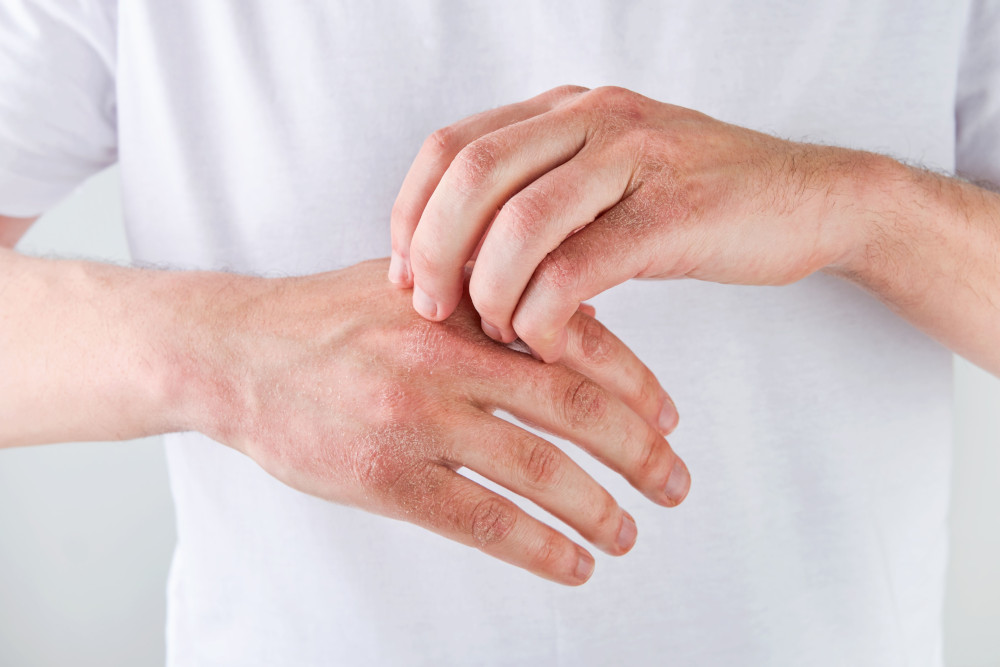
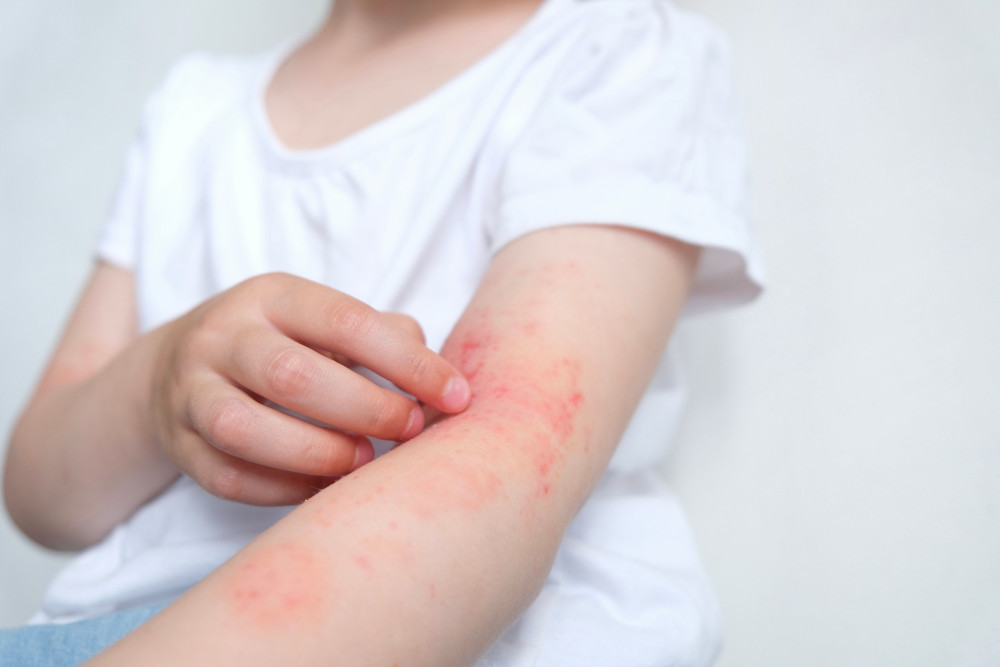
Eczema and dermatitis are common inflammatory skin conditions that affect the skin’s protective barrier, leading to redness, itching, dryness, and visible skin changes. Although the terms are often used interchangeably, dermatitis is a broad medical term for skin inflammation, while eczema describes specific patterns of dermatitis involving inflammation of the outer skin layer (epidermis).
These conditions can be chronic and unpredictable, with flare-ups that may significantly impact comfort, sleep, daily function, and quality of life. With appropriate medical assessment and a tailored management plan, symptoms can often be effectively controlled.
Understanding Eczema & Dermatitis
Dermatitis can affect any part of the body, including the face, scalp, hands, arms, and legs. Symptoms range from mild, intermittent dryness to more extensive or persistent inflammatory flares. Severity and pattern vary widely between individuals and may change over time.
Up to 1 in 5 people experience dermatitis at some stage of life. It can occur at any age, from childhood through to later adulthood. A personal or family history of eczema, asthma, or allergic conditions may increase susceptibility, while environmental exposures and skin barrier disruption often play a role.
Treatment Approach
While eczema and dermatitis cannot always be cured, a structured and individualised treatment approach can significantly reduce symptoms and support long-term skin health. Management may include:
- Skin barrier repair and protection
- Identification and avoidance of triggers
- Topical therapies to reduce inflammation
- Physical therapies such as phototherapy
- Systemic treatments for more severe or resistant disease
Treatment selection is based on the type of dermatitis, severity, affected areas, age, and response to previous treatments.
Phototherapy for Eczema
Narrowband UVB (nbUVB) phototherapy is a well-established, medically supervised treatment option for moderate to severe eczema or dermatitis that has not responded adequately to topical therapy alone.
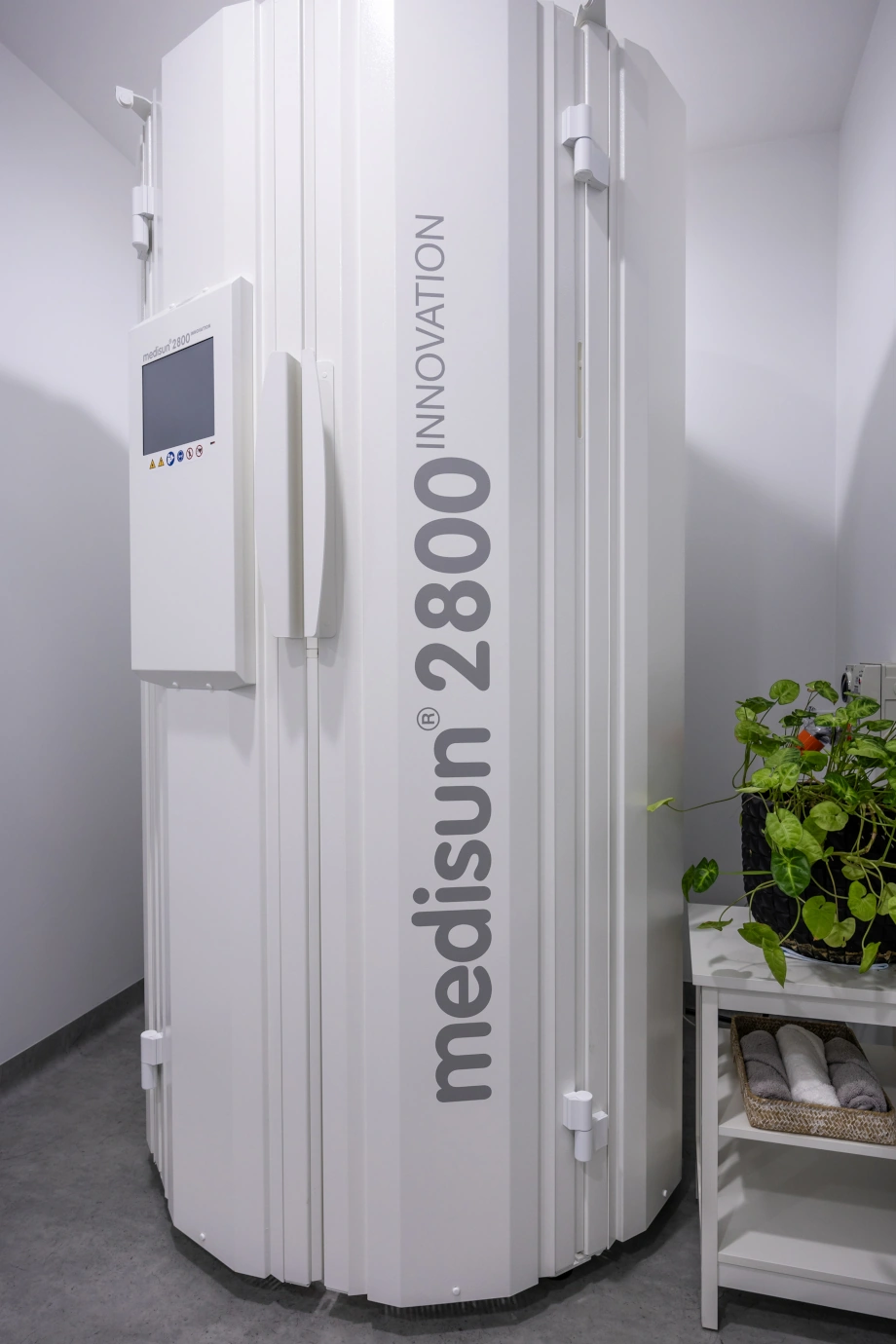
Phototherapy works by delivering carefully controlled ultraviolet light to the skin, which may help:
- Reduce inflammation
- Decrease itch
- Improve skin barrier function
- Support longer periods of symptom control
Treatment is performed in a clinical setting using medical-grade equipment. Sessions are brief and scheduled over a course of treatments to maximise benefit while prioritising safety. Phototherapy has been used for many years and is supported by strong clinical experience in eczema management.
Frequently Asked Questions
What symptoms are common in eczema and dermatitis?
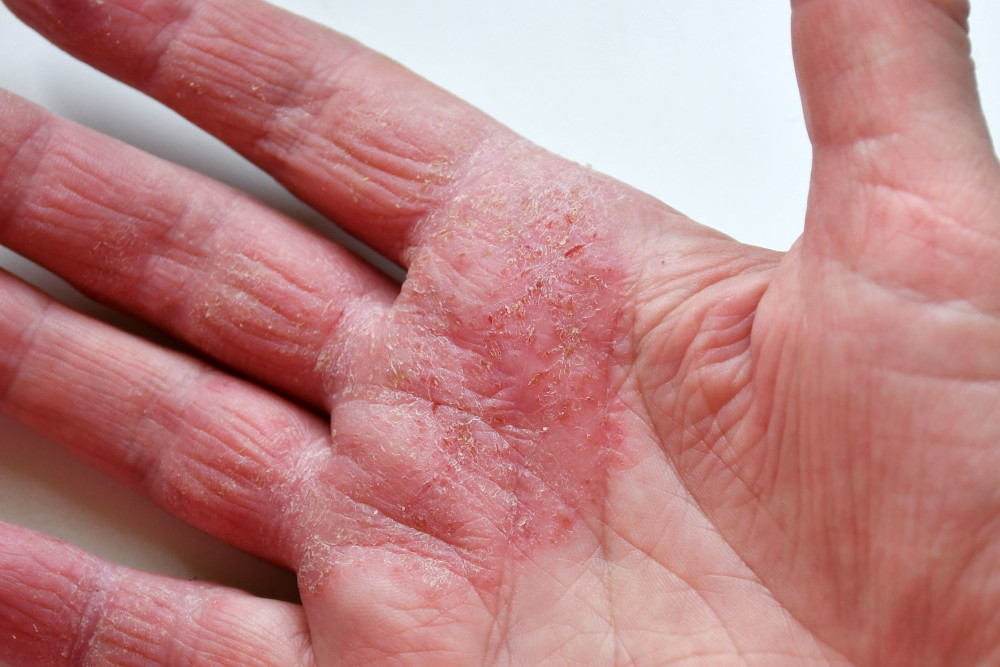
Symptoms may include redness, itching, flaking, dryness, swelling, rough or weeping patches, and rashes. Severity can range from mild and localised to more widespread flare-ups.
Who is affected by eczema?
Eczema can affect people of all ages. Certain forms are more common in children, while others are more frequently seen in adults or older individuals. Genetics, environmental factors, and skin barrier dysfunction all contribute.
What types of dermatitis are there?
Common forms include allergic contact dermatitis, irritant contact dermatitis, photosensitive dermatitis, post-traumatic dermatitis, infectious dermatitis, and drug-induced dermatitis.
What triggers or worsens eczema?
Triggers may include irritants, allergens, stress, climate changes, and skin injury. Scratching can worsen symptoms by damaging the skin barrier and perpetuating inflammation. In some cases, flare-ups occur without an identifiable trigger.
How is eczema usually treated?
Treatment may involve emollients, topical anti-inflammatory medications, non-steroidal topical agents, phototherapy, or systemic treatments in more severe cases. Management is individualised and adjusted over time.
When is phototherapy recommended?
Phototherapy may be considered for moderate to severe eczema, widespread disease, or cases that have not responded adequately to topical treatment alone. Suitability is assessed during consultation.
Is phototherapy safe?
When delivered under medical supervision, narrowband UVB phototherapy is generally well tolerated. Potential risks and expected outcomes are discussed prior to treatment.
Is a consultation required?
Yes. A consultation with a qualified medical professional is essential to confirm diagnosis, assess severity, and develop an appropriate treatment plan, including whether phototherapy is suitable.
Book a Consultation
Managing eczema and dermatitis effectively requires accurate diagnosis, education, and a personalised treatment strategy. Early assessment and appropriate care can make a meaningful difference in symptom control and quality of life.
Book a consultation to discuss your skin concerns and explore evidence-based treatment options, including phototherapy, tailored to your individual needs.