
Skin Cancer Management Maitland
A full-body skin cancer checkup includes a thorough head-to-toe skin and mole examination. Every mole and spot on your body is inspected under high magnification using a dermatoscope and digital imaging.
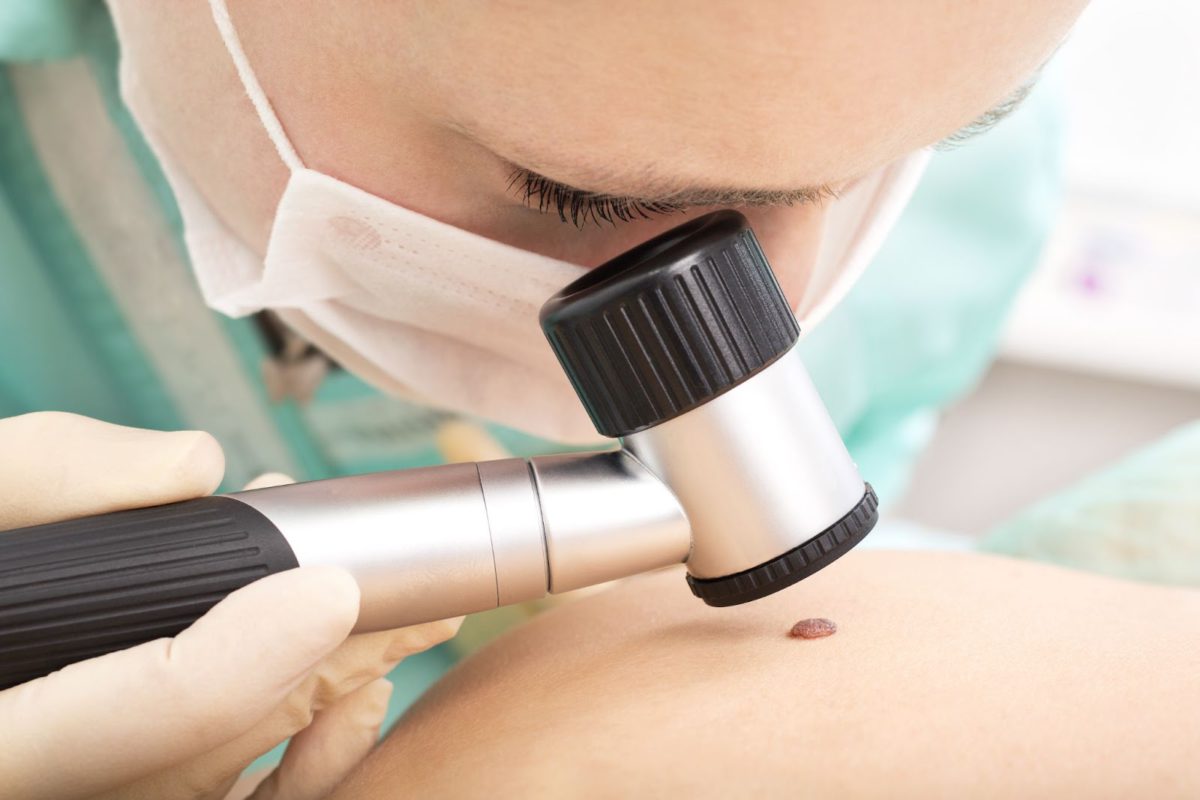
Every mole and spot is examined using a magnified skin-examining dermatoscope.
Camera-attached dermatoscope photographs track low-suspicion lesions over time.
High-suspicion lesions are biopsied on-site and sent to an accredited pathology lab.
Combine regular doctor skin checks with self-examinations every 2 to 4 months.

Dermoscopy, Digital Photography & Biopsies
During your full-body skin cancer checkup, high-resolution photographs of any concerning or suspicious skin lesions can be captured using a dermatoscope attached to a digital camera.
- High-Suspicion Lesions: Biopsied promptly under local anaesthetic and sent for histopathology testing at an accredited pathology laboratory.
- Low-Suspicion Lesions: Digital dermoscopic photographs allow your doctor to track subtle microscopic changes over a 3 to 12 month period and avoid unnecessary surgery.
Early Detection of Melanoma
Melanoma is the most serious form of skin cancer and can grow beneath the skin very quickly if left untreated. It is the third most common invasive malignancy in Australia after breast and prostate cancer — yet melanoma is fully treatable if completely excised before it enters the bloodstream.
Checking your skin regularly helps detect melanoma early when treatment and survival prospects are highest. Melanoma can develop anywhere on your skin — from your scalp and hands to the soles of your feet — even in areas that receive very little sun exposure.

How to Prepare for Your Skin Check
4 Quick Before-Visit Tips
Regular Doctor Checks & 2–3 Monthly Self-Checks
Warning Signs & UV Index
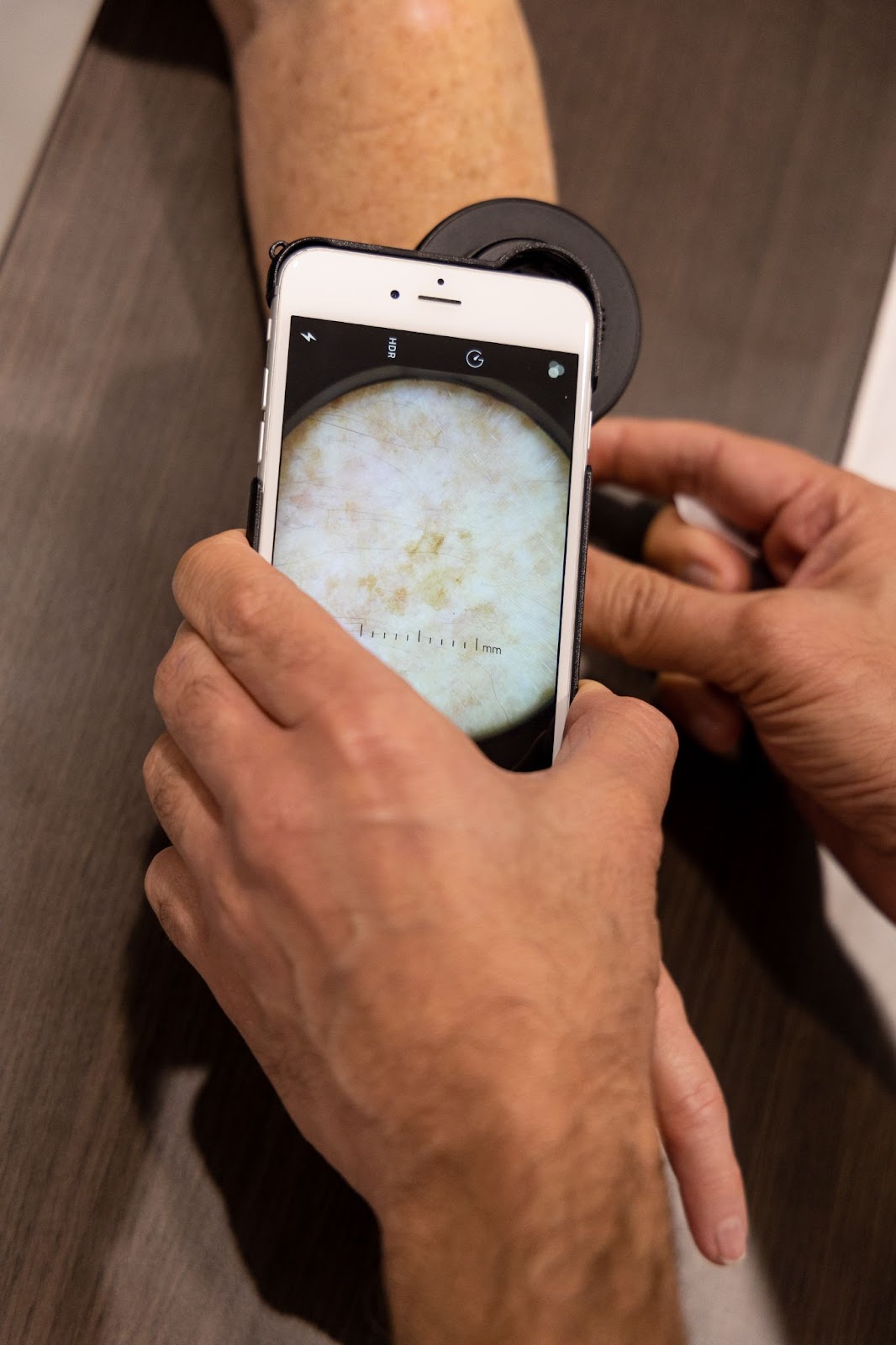
The best way to find melanoma early is by combining a regular full-body skin cancer checkup with your skin cancer doctor and checking your own skin at home every 2 to 4 months.
A self-check every 2 to 3 months helps you spot whether any mole or lesion has changed significantly. Any noticeable change in shape, size, colour, elevation, bleeding, or itching over a short period of 1 to 3 months should be taken as a warning sign to consult a skin cancer doctor promptly.
- A — Asymmetry: One half of the spot does not match the other.
- B — Border: Irregular, scalloped, notched, or indistinct edges.
- C — Colour: Multiple shades of brown, black, pink, red, white, or blue.
- D & E — Diameter & Evolving: Spots larger than 6 mm or any lesion changing over 1–3 months.
Daily UV Protection in the Hunter Valley
Whenever the UV Index reaches 3 or above, sun protection is required to prevent DNA damage and new skin cancers:
- Apply SPF 50+ broad-spectrum sunscreen 20 minutes before going outdoors and reapply every 2 hours.
- Wear a broad-brimmed hat, UV-rated sunglasses, and sun-protective clothing.
- Schedule your routine full-body skin check every 6–12 months based on your risk profile.
Send an Enquiry to Our Maitland Clinic
Have a question about a skin check, surgical procedure, or cosmetic laser treatment? Complete the form below and our Maitland reception team will get back to you promptly.
Enquiry Sent to Reception
Thank you for contacting Elixir @ Hunter. Our Maitland reception team has received your enquiry and will respond promptly.